in defense of trillionaires

[Welcome to our annual Guest Writers Series. Meet contributor #3...]
On June 12, 2026, SpaceX held an initial public offering, allowing ownership shares to be sold on the stock market for the first time. By the end of the day, the company’s market valuation was about $2 trillion. SpaceX’s founder, Elon Musk, owns about 40% of the company, so the IPO boosted the value of his shares to approximately $800 billion. Adding in the amount of his other investments, Musk’s total net worth now exceeds $1 trillion, making him the world’s first trillionaire.
One trillion dollars. That’s $1,000,000,000,000. One million millions. It’s a big number, one that has caused angst among many concerned about wealth inequality. It’s not fair that one person should amass such a fortune, so the reasoning goes, along with the immense power and influence that goes with it. Wouldn’t it be better if the government took Musk’s fortune and redistributed it equally to all Americans? (The rest of us would all be about $3,000 richer.) In a word, no. Not only is redistributing wealth terrible public policy, the idea itself is unjust.
It’s not as if there was $1 trillion lying around and Musk devised ways to accumulate it for himself. That’s not how wealth works. Wealth is created when someone provides a product or service that adds value. Wealth is not a zero-sum pie that gets sliced up and handed out. The pie increases in size as businesses and individuals innovate and create new things that people want and need.
Musk has started or led a number of successful companies:
- Zip2 – an online business directory
- X.com – an online bank, later merging with another company to become PayPal
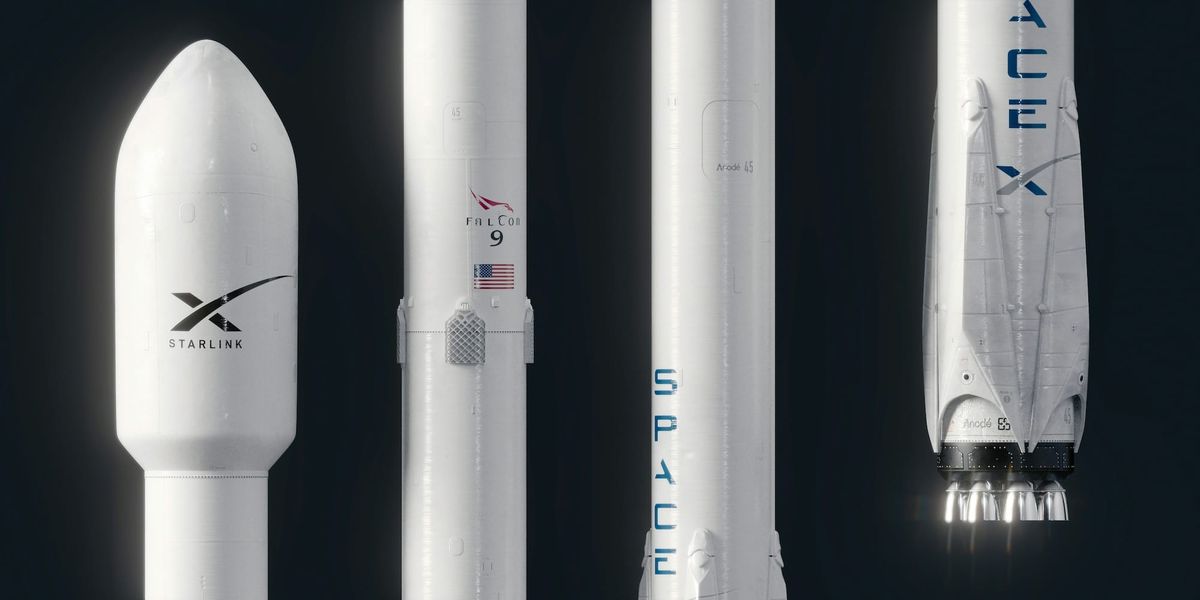
- SpaceX – a pioneer in reusable rockets
- Tesla – a leading maker of electric cars
- OpenAI and xAI – artificial intelligence companies
- Neuralink – a brain implant researcher
- The Boring Company – a tunneling construction company
Each of these entities deliver something that previously did not exist. It is the economic activity involved with producing and procuring these products that created the $1 trillion and then some. Musk is not the only one who benefited financially. Over 4,400 current and former employees of SpaceX (many of them blue-collar workers) who had received stock as part of their compensation over the years become millionaires overnight from the IPO.
Furthermore, all of us have benefited indirectly from Musk’s ambition. Do you make use of online payments? Thank Elon Musk. Do you enjoy driving a Tesla? Doesn’t happen without Musk. That phone in your pocket doesn’t work without satellites, many of them put there because of Musk’s endeavors.
If our public policy becomes to redistribute wealth, the incentive for entrepreneurs like Musk to invest their time and capital would be removed. We would not benefit from future innovations. Worse, not only would the economic pie that we all share not grow, it would contract. There would be less wealth to go around and we’d all be poorer.
We tend to compare our own condition to others’ relatively, not in absolute terms. If your friend gets a new car, it doesn’t make your car any less nice. If your neighbor makes an addition to his house, it doesn’t make your house worse. Whether or not your colleague takes an extravagant vacation doesn’t affect you.
At their core, proposals to take money from the rich are rooted in jealousy. Envy is a sin (a deadly one, no less)! It would be best if there were no poverty in the world, but there is nothing unfair about wealth inequality per se. Allowing people to retain the fruits of their labors is only sensible. It is the seizure of individuals’ earnings which is unfair.
I don’t know Elon Musk. Maybe he’s a total jerk. I’m sure there are some readers who hold a negative view of Musk because of his support of a certain political figure. It doesn’t matter. We shouldn’t be envious of others’ success, and we certainly shouldn’t pursue policies to take wealth from the successful. It will only lead to all of us being worse off, both financially and morally.
Respectfully...
FAH